Key takeaways
- Automation reduces risk and error: VAT software minimizes manual mistakes and ensures accurate, timely filings across multiple jurisdictions.
- Scales with your business: Automated VAT compliance tools adapt to growing transaction volumes, new markets, and changing tax rules.
- Improves visibility and efficiency: Centralized dashboards, threshold alerts, and real-time reports make VAT management faster, smarter, and audit-ready.
In short: Global businesses should automate VAT compliance because VAT automation software cuts human error, centralises multi-country VAT returns and tracks VAT registration thresholds. Automated VAT tools also calculate VAT in real time, keep audit-ready records and reduce admin costs, so businesses can expand into new countries without adding headcount.
Managing VAT compliance across many countries is no small task. International businesses face a maze of rules, registration requirements, filing frequencies and formats, and all of them vary by country. That’s where automated VAT compliance solutions come in.
VAT software built for international operations helps businesses reduce risk, improve accuracy and scale with confidence. In this post, we explore the top 9 benefits of automating VAT compliance. We also show how VAT automation tools keep businesses compliant, efficient and audit-ready.
1. Minimises human error in VAT filings
VAT automation minimises human error by replacing manual data entry with pre-validated tax logic. Manual VAT processes are prone to mistakes, especially across multiple jurisdictions, currencies and tax rates. A wrong rate or missed filing can lead to large penalties and damage your reputation. We cover this in more detail in Tax Data Automation Dependency Map: Critical Elements, Fallbacks, Testing.
Online VAT software uses automated workflows that remove manual entry errors. Smart validation checks flag anomalies before you submit. This makes filings more accurate and reduces risk.
2. Streamlines multi-country VAT submissions
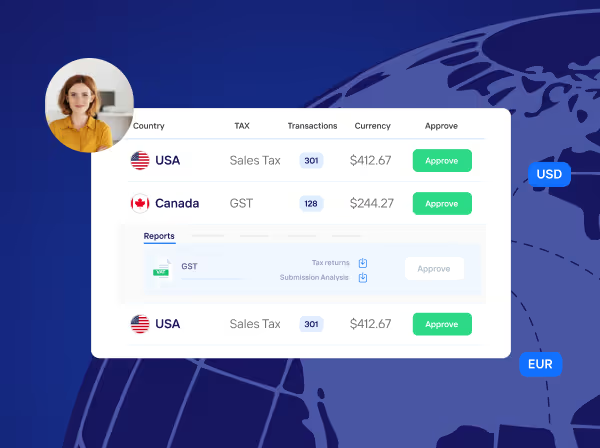
VAT automation streamlines multi-country VAT submissions by putting all your VAT returns in one dashboard. Without it, submitting VAT returns in different countries means dealing with many languages, platforms and local tax authorities. Each country has its own filing frequencies, document rules and digital submission protocols.
VAT submission software makes this simple. Whether you're submitting quarterly in the UK, monthly in Italy, or annually in the Netherlands, your team can manage it all from one automated system. No more separate government portals or rushing to meet different deadlines.
3. Automatically monitors VAT thresholds
VAT automation tools track your sales against VAT registration thresholds and alert you before you reach one. VAT registration thresholds vary by country, and often by product type or sales channel. For example, exceeding €10,000 in EU cross-border B2C sales may trigger VAT registration, while selling goods into the UK requires VAT registration from day one.
VAT automation tools track your transaction volume constantly and warn you as you approach a threshold. This lets you register for VAT ahead of time rather than after the fact. It is critical for fast-growing businesses that expand quickly across borders.
4. Supports scalability as you grow
VAT automation supports growth because it handles new countries and sales channels without extra manual work. Whether you’re expanding into new regions, launching new product lines or adding sales channels, your tax obligations grow with you. Manual VAT processes often can’t keep up. Related reading: Reengineering Tax Compliance for Enterprises with API-First Platforms.
The best VAT software is built to scale. It offers modular features, marketplace integrations and multilingual support. With VAT-compatible software, you can manage compliance in dozens of countries without adding headcount or complexity.

5. Improves accuracy and audit readiness
VAT automation improves audit readiness by keeping clean, complete records of every filing. Being able to back up your filings is one of the most important parts of tax compliance. In an audit, clean, accurate and accessible records can make all the difference.
VAT return software stores full audit trails, digital copies of invoices, past filings and reconciliation reports. These tools protect data integrity. They also make it easier to deal with tax authorities if you need to defend a position or submit documents.
6. Enables real-time VAT calculations
VAT automation calculates the correct VAT in real time at the point of sale. In digital commerce, VAT must be accurate at the moment of the transaction. This matters most for e-commerce stores, SaaS platforms and B2C service providers charging VAT at checkout.
Online VAT software applies the correct VAT rates automatically based on customer location, product category and transaction value. It also handles rate changes (like temporary COVID-era cuts) and special exemptions, so you’re never caught off guard.
7. Ensures consistent VAT logic across systems
VAT automation keeps VAT treatment the same across all your business systems. Tax differences between systems, such as your accounting platform, ERP or e-commerce site, can cause mismatched reports and compliance issues. Manual syncing increases the risk of errors.
VAT automation software connects with your tech stack to keep VAT treatment consistent from transaction to reporting. Whether you're using Shopify, Amazon, NetSuite, Xero, or QuickBooks, your tax rules stay aligned across all business systems.
8. Reduces administrative overhead and costs
VAT automation reduces admin time and costs by handling repetitive compliance tasks for you. Manual VAT compliance takes time and resources, especially for reconciling invoices, preparing filings or researching country-specific tax codes. For small tax teams, this workload can be overwhelming. For a closer look, see Hidden Risks in Tax Compliance Outsourcing Across BPO, Software, and Partners.
VAT online software cuts admin hours sharply. Businesses can automate monthly filings, bulk import data from invoicing systems and auto-generate required reports. This frees finance teams for strategic work instead of repetitive data entry. It also reduces reliance on costly third-party advisors.
9. Provides actionable insights and reporting
VAT automation turns your VAT data into useful business insights. VAT data isn’t just for compliance. Knowing where you collect the most tax, where thresholds are close or where delays happen can lead to smarter decisions.
The best VAT software provides real-time dashboards, analytics and downloadable reports that give finance and operations teams full visibility. You can manage risk early, monitor cash flow linked to VAT payments and even optimise where and how you sell.
Should you automate your VAT compliance?
If you operate internationally, VAT automation software isn’t just a convenience. It’s a necessity. The right VAT online software ensures compliance, reduces risk and grows with your business.
Whether you’re an e-commerce seller, SaaS provider or multinational enterprise, the best VAT software can help you handle complexity and avoid costly mistakes.
Ready to simplify your VAT compliance?
Taxually’s CrossTax platform is a powerful VAT-compatible software solution designed for businesses operating across Europe and beyond. From VAT registration to automated filings, we take care of it all—so you don’t have to.
Do you need help with your VAT compliance? Book a free call with one of our VAT experts to find bespoke solutions for your business, optimize your VAT costs, and reach millions of new potential customers.
How Taxually handles this
Taxually’s CrossTax handles VAT registration, VAT, OSS and IOSS returns and fiscal representation in the countries you sell into, and checks your sales data against 250+ validation rules before each filing. OneTax then pays every tax authority with one bulk payment in your chosen currency.
Related guides

Frequently asked questions
What is VAT automation software?
VAT automation software is a digital tool that streamlines VAT compliance tasks such as calculating tax, submitting returns, monitoring thresholds, and storing records across multiple jurisdictions.
Who should use VAT compliance automation?
Any international business—especially e-commerce sellers, SaaS providers, and multinationals—can benefit from VAT automation to reduce risk, improve efficiency, and scale across borders.
How does VAT software help with threshold monitoring?
It automatically tracks your sales volume in each country and alerts you when you’re nearing a VAT registration threshold, helping you stay compliant and avoid penalties.
Can VAT software integrate with my existing tools?
Yes. Most leading VAT automation tools integrate with e-commerce platforms (like Shopify and Amazon), ERPs, and accounting systems (like Xero and QuickBooks) for seamless data flow.
Is VAT automation worth the investment?
Absolutely. Automating VAT reduces manual work, minimizes errors, ensures audit readiness, and scales with your business, often saving both time and money in the long run.